Thinking about becoming a personal assistant but worried you don’t have any experience?
You’re definitely not alone. Many people hesitate to apply for PA roles because they feel their resume isn’t “perfect” or they haven’t worked in an office before. But here’s the good news: you don’t need a fancy background or years of experience to get started as a personal assistant.
Personal assistants are in demand across industries, and what matters most is your willingness to learn, your organizational mindset, and your ability to support others efficiently.
In this post, I’ll share practical, easy-to-follow steps to help you break into the field — even if you’re starting from scratch. Whether you’re switching careers or just starting out, this guide will give you the confidence and tools to land your first PA job and build a rewarding career. Let’s dive in!
1. Understand What a Personal Assistant Does
Before diving into applications or building your resume, it’s important to get clear on what a personal assistant (PA) actually does.
A PA’s main role is to support an individual—often a busy executive, entrepreneur, or team leader—by handling tasks that save them time and keep their day running smoothly.
These tasks can range from managing schedules, booking travel, organizing emails, and preparing reports to handling errands and personal requests. Some PAs work in-person, while others support clients remotely as virtual assistants (VAs).
The key is being proactive, reliable, and detail-oriented—traits you can develop with or without prior experience.
2. Identify Transferable Skills You Already Have
You might be surprised by how many skills you already possess that are perfect for a personal assistant role.
Have you worked in retail, hospitality, or customer service? Then you already know how to handle people, solve problems on the fly, and stay calm under pressure—all incredibly valuable PA traits.
Even managing a household, volunteering, or planning events for friends can count.
Employers often care more about your attitude, communication style, and ability to stay organized than your job title history.
So, start by making a list of what you’re good at and how those strengths could be used to support someone else’s busy schedule.
Here are some of the transferrible skills (even without experience) which you might be already doing in your everyday life:
- Time Management: Juggling shifts, school, or side gigs? You know how to prioritize.
- Communication: Experience with customer service, hospitality, or teaching? You’re already skilled in clear, respectful communication.
- Organization: Have you planned events, managed calendars, or kept things running smoothly at home or work? That’s a huge asset.
- Problem-Solving: If you’ve ever handled last-minute changes or tricky situations, you know how to think on your feet.
- Tech Comfort: Familiar with tools like Google Docs, Zoom, or spreadsheets? Many PA tasks are digital now.
- Multitasking: Whether at work or at home, if you’ve managed multiple responsibilities, that’s gold.
- Discretion & Trust: Have you ever been entrusted with confidential information? That’s key for working closely with executives.
3. Learn the Essential Skills Quickly
You don’t need a degree or years of training to become a personal assistant—but there are a few key skills that can give you a serious edge.
Start with the basics: learn how to manage calendars, write professional emails, organize files, and use tools like Google Workspace, Microsoft Office, and Zoom.
Many of these are free to learn through platforms like YouTube, Coursera, or LinkedIn Learning.
Even spending 20 minutes a day practicing these tools can quickly build your confidence. The goal isn’t to be perfect—it’s to show potential employers that you’re proactive, eager to learn, and ready to get things done.
4. Build Experience Without a Traditional Job
If you don’t have formal PA experience, don’t worry—you can build relevant experience in other ways.
Start by offering to help a friend, family member, or small business owner with administrative tasks like email sorting, appointment scheduling, or social media organization.
You can also volunteer with local nonprofits or community groups that need help managing events or communications.
Another smart move is signing up for freelance platforms like Upwork, Fiverr, or Freelancer to find short-term gigs. These small projects not only give you practice, but they also help you build a portfolio and gather testimonials that prove you’re capable and committed.
5. Create a Simple Resume and Online Presence
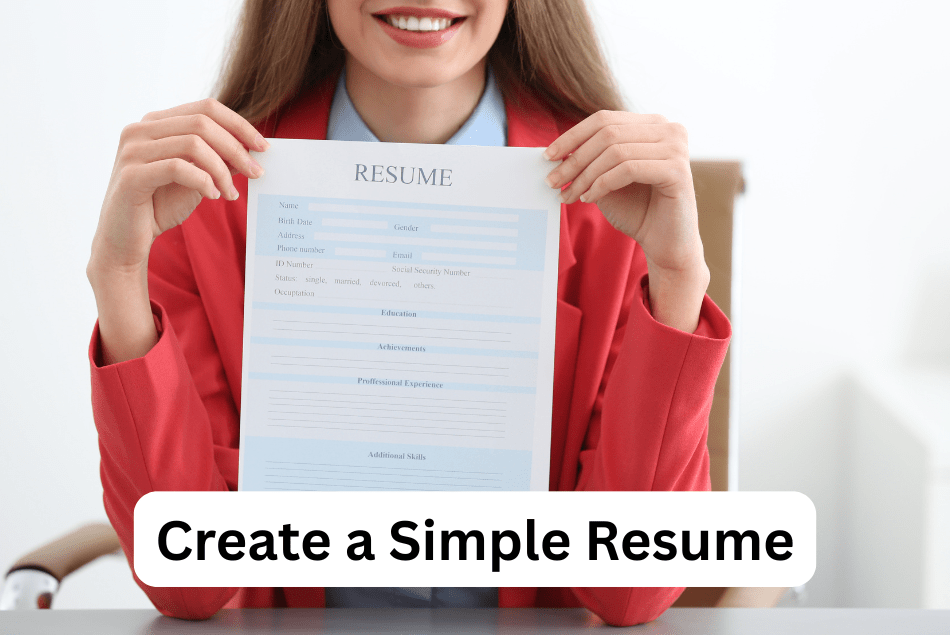
Once you’ve built up a few relevant skills or small projects, it’s time to put them on display. Start with a clean, one-page resume that highlights your transferable skills, personal projects, and any volunteer or freelance work.
Don’t worry if it’s not packed with traditional job titles—focus on what you can do and how you help others stay organized and efficient.
Next, consider creating a basic LinkedIn profile or even a simple portfolio website that outlines your services. Many clients and employers search online, so having a professional digital presence helps you stand out—even as a beginner.
6. Apply with Confidence and Keep Learning
Now that you’ve built some skills, gathered experience, and prepared your resume, it’s time to start applying!
Look for entry-level personal assistant or virtual assistant roles on platforms like Indeed, LinkedIn, Upwork, or remote job boards. Don’t let imposter syndrome hold you back—everyone starts somewhere.
Customize your application for each job by highlighting how your skills and proactive mindset make you a great fit. And remember, learning doesn’t stop once you land your first role.
Every task is a chance to grow, so keep asking questions, improving your tools, and staying open to feedback. That’s how beginners become pros.
Final Thoughts: You Don’t Need Experience, Just Initiative
Breaking into the personal assistant world with no prior experience may feel intimidating, but it’s completely doable with the right mindset and strategy. Focus on what you can do, build your skills intentionally, and don’t be afraid to start small.
With the steps outlined above, you can start building your confidence, your portfolio, and your path to a rewarding PA career.
Remember, every expert was once a beginner—and your willingness to learn, stay organized, and support others can take you further than you think. Keep showing up, stay consistent, and before you know it, you’ll have your first client or job offer in hand.
Ready to Get Started?
Don’t leave your next steps to chance—download The Ultimate PA Starter Pack and kickstart your journey with confidence! It’s packed with beginner-friendly tools, templates, resume tips, and a step-by-step action plan to help you land your first role, build real experience, and present yourself like a pro—even if you’re just starting out.